
The fifties are an important turning point in your life. The body must cope with major changes and this may be the perfect time to pay even more attention to your lifestyle by adopting new health habits. In this article, we take stock of what’s really changing and the key tips you need to follow to stay in shape after 50.
What Should You Watch Out for After 50?
After the age of 50, certain changes and indicators should be monitored regularly to avoid associated health problems.
Weight Gain and Increased Waist Circumference
Gaining weight and increasing waist circumference are common occurrences after the age of 50. In women, the drop in the production of certain hormones leads to weight gain and the transition from a gynoid morphology to an android morphology.
In other words, a woman will tend to accumulate more fat around the belly. Generally, there is also a particular sensitivity to weight gain due to a slowdown in metabolism, a decrease in muscle mass, and a reduction in the level of physical activity. The increase in waist circumference is to be taken very seriously because this so-called “visceral” fat directly increases cardiovascular risk.
Cholesterol Level
Along with the aging of the body, there is a gradual rise in cholesterol levels with age. For good reason, the metabolism slows down and the body has a harder time breaking down and eliminating fat. In addition, in women, the hormones that were protective until now are no longer produced. The risk of disturbances in the lipid balance is therefore greatly increased.
Blood sugar
Indeed, the increase in waist circumference tends to cause insulin resistance. This makes it harder for the organs to capture and store glucose. The blood sugar level therefore increases and can, over time, lead to the fatigue of certain organs and the onset of type II diabetes. Note that hormonal variations make the body even more sensitive to this rise in blood sugar.
A Quality Diet, The Best Way to Stay in Shape After 50 Years
To cope with these changes and stay in shape after 50 years, diet is a great ally. Certain nutrients can prevent premature aging, slow down the decline of muscle and bone mass and regulate cholesterol and blood sugar levels.
Here are 10 dietary tips for good health after 50:
- Incorporate a source of lean protein into every meal: fish, poultry, tofu, seafood, legumes, etc.
- Focus on foods rich in fiber: starchy foods and wholemeal bread, fruits and vegetables, legumes, etc.
- Consume products fortified with vitamin D, 3 times a day
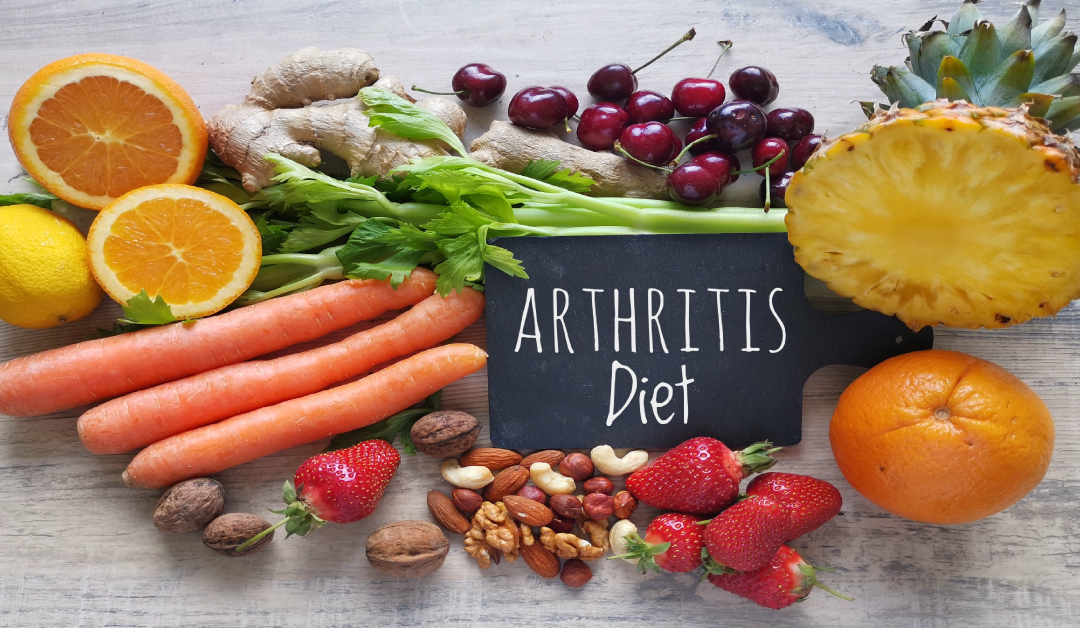
- Incorporate foods rich in antioxidants: colorful seasonal fruits and vegetables, citrus fruits, herbs, and spices, etc.
- Integrate fruits and vegetables systematically into each meal, cooked or raw
- Make sure you choose the right fats: seeds, nuts, oily fish, olive and rapeseed oils, etc.
- Avoid sugary foods
- Limit the consumption of fatty, processed, and industrial foods
- Reduce alcohol consumption
- Make sure to drink at least 1.5 liters of water per day
The importance of regular physical activity
Beyond a quality diet, you must practice physical activity regularly after 50 years. This has many health benefits and is essential for staying in shape and significantly improving the quality of life. As such, focus on endurance activities and practice them at least 3 times a week: cycling, swimming, running, walking, etc.
For good reason, endurance is excellent for protecting the cardiovascular system from accidents, which increases with age. In addition, the activity as a whole helps improve the insulin response, maintain a healthy weight, prevent an increase in waist circumference and slow down the decline in muscle mass. Finally, activity is excellent for promoting better stress management and quality sleep.
Quality Sleep and Good Stress Management
Quality sleep and good stress management are essential for a health throughout life. Sleep is an essential process during which the body’s activity is finely regulated. Thus, sufficient and quality sleep helps prevent weight gain, regulate mood and stimulate metabolism.
Stress, on the other hand, is one of the enemies that you should avoid when working towards staying in shape after 50 years.
Food Supplements After 50 Years
When combined with a quality diet and a healthy lifestyle, certain food supplements have their place to boost the body in your fifties. However, it is imperative to choose them well to obtain maximum health benefits. Consider a formula of 100% natural origin and rich in quality active ingredients (plant extracts, vitamins, and chromium, etc.).
Most supplements additionally help in the breakdown of fats and weight loss, allows better control of blood sugar and blood cholesterol level.
In conclusion, it is imperative to pay special attention to your health after 50 years to avert avoidable health problems. For this, high-quality nutrition and regular physical activity are great ways to keep healthy at this age.
Finally, to optimize the effects of a healthy lifestyle and keep in shape after 50 years, taking appropriate food supplements can be significant support.
References
- https://www.medicalnewstoday.com/articles/315900#levels-and-age
- https://www.mayoclinic.org/diseases-conditions/type-2-diabetes/symptoms-causes/syc-20351193
- https://www.healthline.com/nutrition/10-reasons-why-good-sleep-is-important#2.-Good-sleepers-tend-to-eat-fewer-calories