

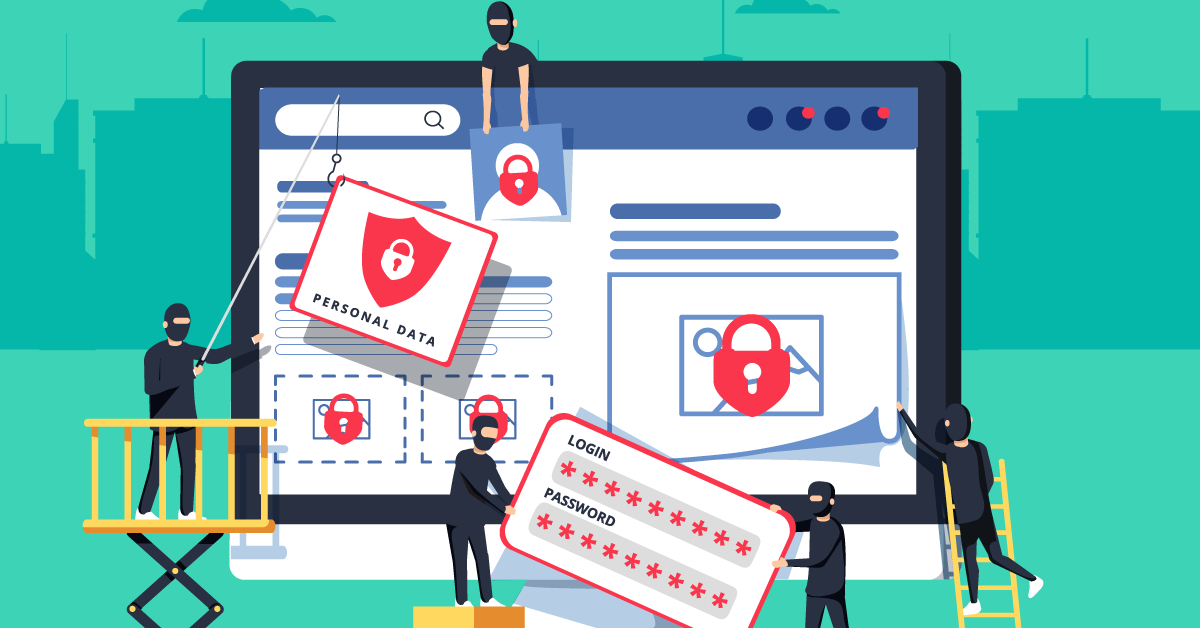
Whether it is rummaging through mailboxes or trash cans to retrieve administrative documents and bank statements, or collecting passwords via the internet, crooks will stop at nothing to collect personal data from individuals.
Very often, they use this information to conduct financial transactions, commit wrongdoing, or even damage the reputation of their victims. Some even go so far as to declare a loss of identity papers to obtain new ones to open a bank account, take out consumer loans or not pay traffic tickets.
For the victims of these identity thefts, everyday life can turn into a real nightmare. They may, for example, find themselves unable to borrow or issue checks for 5 years, if they are entered in the personal credit incidents file for the same period. The pandemic has seen scammers get even more creative as many Americans switch to working from home.
In this article, we will be sharing quick tips on how to guard yourself against identity theft, but first;
What is identity theft?
Identity theft is the use of personal data that identifies you without your consent. Once stolen, this information can be used by thieves to damage your reputation, carry out financial transactions or commit wrongdoing on your behalf.
The thieves can steal your data through a hack or impersonate a known private or public organization, in order to build trust and get you to give out personal information.
Note: Identity theft is a criminal offense.
What are identity thieves looking for?
Any document and information that is used (alone or with others) to identify you constitutes personal information, such as:
- Your first and last name
- Your address
- Your date of birth
- Your ID numbers
- Driver’s license
- Social Security number
- Bank account and personal identification number (PIN)
- Passport
- Your debit and credit cards
- Your handwritten or signature
- Etc.
Here Is How To Guard Yourself Against Identity Theft.
Avoid Unsecured/Free Wi-Fi.
Public Wi-Fi hot spots are a common way through which most people get hacked. When using public Wi-Fi, never disclose your personal sensitive information such as financial information, social security number, or identification number.
Public Wi-Fi networks at coffee houses or airports might be password-protected – but the password is typically posted on a wall somewhere, or can be easily obtained. The most common trick is, hackers will sit around idle and set up a Wi-Fi hotspot with similar details and passwords waiting for someone to log in. Once you log in, they can easily obtain your personal data.
Similarly, your Wi-Fi at home should be secured with a password which you should change regularly. Most internet boxes have a security key, make sure you are asked for this code when you connect one of your devices to the Wi-Fi network. Also, change the default password on your home router.
Keep An Eye On Your Wallet/Purse.
Never leave your wallet or purse unattended at work, at church, in the supermarket cart, or in the car (even if the doors are locked). Hide the keypad when poking around at an ATM or point-of-sale terminal. Never let a waiter leave with your credit card.
Clean You’re Cache
Empty your cache memory and erase your browsing history on your computers, tablets, phones, internet cafes, every time you trade money (or every week). Immediately accept requests for computer and telephone updates. Before reselling electronic gadgets, erase their content.
Filing Tax? Be Vigilant
Scammers will often want to access your tax information and documents such as the 1040 form. Often, they can use this information to claim false refunds on your behave. So if you’re receiving notices of not having filed tax despite doing so diligently, chances are the scammers have created a duplicate Social Security Number using your stolen personal information.
If you’re e-filing your tax returns, be sure to use a secured internet connection. Also, don’t share your address, Social Security Number, and income info via the mail. Don’t leave your form 1040 lying around on your desk at work (or home) while you go out for a walk or attend to other matters.
Protect Yourself in the Recycling Bin
As amazing as it sounds, identity theft starts in recycling bins. Ill-intentioned people find tax returns, invoices, account statements, etc. So many documents that can contain information as important as the social insurance number, date of birth, and any personal contact information. It is essential to pass these documents through the shredder before putting them in your recycling bin.
Only visit Secured Websites
When visiting any website, especially when you’re about to share any form of personal information, make sure the web address has “https” as a prefix. The additional “s” and a padlock icon mean you’re accessing a website with an active and updated SSL encryption.
Be careful when clicking on links, especially those you receive in the emails; some scammers do include the “https” prefix and this can trick you into thinking it’s a secure link. Look out for incorrect links or misspelled words in the web address.
Use a Password Manager
If you have too many PINs and passwords, use a password manager application. Do not use the same password everywhere. Avoid easy passwords: 12345, first name, last name of your children, your pet, author or favorite movie, etc. Change your passwords every few months. Keep a list of all your credit and bank accounts in a safe place.
Read Your Account Statements (And Credit Reports)
If your financial institution makes account statements available to you, it’s not for nothing. Printed or on-screen, you must read these documents to verify that it was you who carried out the transactions listed. Do you usually receive your statement by mail and haven’t received it on the usual date? Contact your financial institution to verify that no one has intercepted the document.
Similarly, do you read your credit reports? You’re entitled to one free credit report each year –in fact, due to increased cases of identity theft as a result of COVID-19, some credit agencies will be allowing weekly credit checks. Read them to make sure everything adds up.
If you suspect any case of identity theft, act immediately. If it involves your finances, for instance, call the financial institution immediately to register your concerns, and be sure to follow up everything in writing later on for the record. Also, report any confirmed cases to the police immediately. Otherwise, by following the above tips and recommendations, you should be able to deter any attempts of identity theft.