
What to Consider
The Covid-19 pandemic has led to a radical shift in the way the Fed handles inflation and the economy in general. For instance, in August 2020, the Federal Reserve announced that it was willing to let the inflation rate go higher than normal to offer support to the labor market.
Now, considering how the Fed has been handling inflation before, this is a major shift – especially if they allow inflation to run 2% higher than usual. With this shift in policy and the impending inflation, it becomes even more important to learn the fundamentals of inflation and what impact this has on your investments and savings.
So, what is inflation?
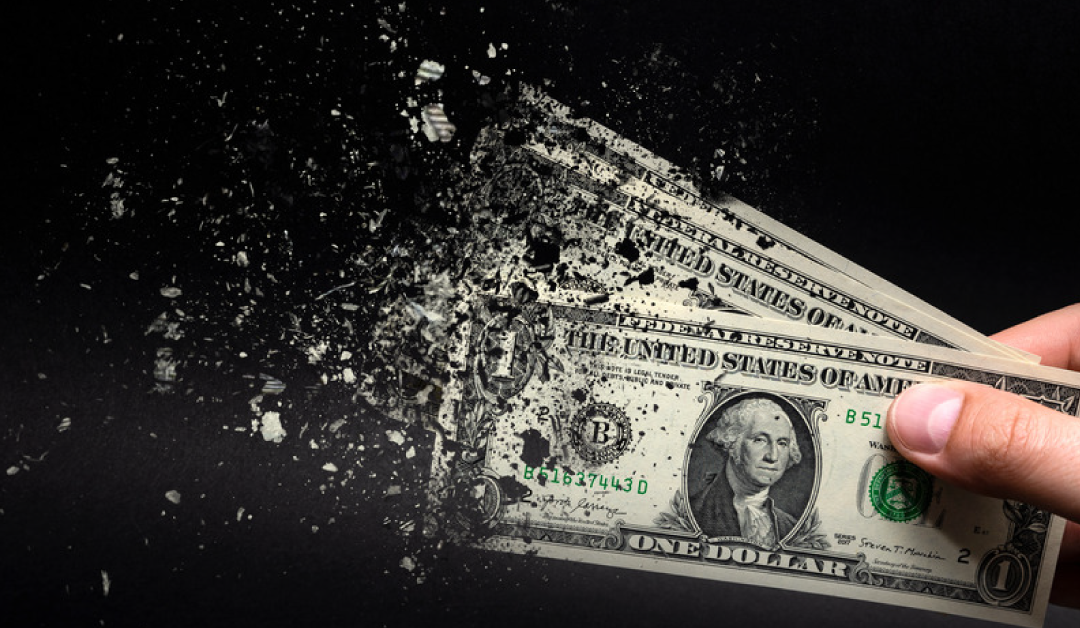
Inflation is essentially the rise in the cost of goods/services in an economy. This then means that each unit currency is worth less of any services or goods. Inflation may also be a result of the devaluing of a specific currency.
Deflation is the opposite of inflation –which means the cost of goods & services drops and the currency gains value.
The Fed is therefore tasked with keeping the inflation levels in check, and they always have a target to work towards. Inflation is measured using the consumer price index (CPI), a measure that tracks the cost of consumer goods and services. The CPI is derived based on purchase data on goods & services such as transportation, foods & beverages, housing, medical care, apparel, recreation, communication, and education, among others.
Causes of Inflation
An inflation phenomenon can be caused by an increase in the demand for goods or services, but the supply itself does not increase. Perhaps the most glaring example is the inflation of house prices. There are simply more people looking for housing than people offering it. Homeowners can then afford to raise prices.
Another cause of inflation can be rising commodity prices. Indeed, if it becomes more expensive for the company to produce its goods, it will probably have to pass this increase on to its selling prices.
CPI and Inflation
As mentioned, CPI is the most common indicator when calculating inflation. However, it’s not all that accurate, at least not across all sectors and industries. For example, while the CPI rose by 1.4 percent in the 2020/2021 financial year, reports indicate that commodities such as used trucks and cars rose by 10% in the same year.
Consequences of Inflation
- Inflation impacts the purchasing power: As earlier explained, when prices of services and goods increase, your purchasing power reduces as you tend to buy fewer goods with a fixed amount of money.
- Inflation and return on investment: inflation tends to reduce the return on investment. For example, if your investment gained a 10% return over a certain financial year, and the inflation rate rose 2%, your real return on investment would be 8%. If you factor taxes into this, then you will end up with even a much lower return.
- Inflation and the Federal Reserve: The Fed is tasked with monitoring and managing the rate of inflation, and a change in inflation typical influences the corrective actions to be taken. It can reduce or increase the amount of money in circulation.
Seek Professional Advice
Inflation during these pandemic times is inevitable, and you need to understand how this impacts your investment and spending. Most people tend to overlook the rising prices of commodities when inflation is low. Equally, you might be easily tempted to make drastic changes to your spending and investment behavior when inflation is high.
If you’re not sure which way to go, it’s best to seek the help of a trusted financial advisor to help you make strategic investment and spending decisions in whichever direction the inflation turns.