
The COVID-19 outbreak has put tremendous pressure on stock prices, prompting some investors to blindly and indiscriminately sell positions at a time when the entire market is trending lower. Worried investors believe “this time it’s different.” When the market drops, some investors lose perspective that downtrends – and uptrends – are part of the investing cycle. When stock prices break lower, it’s a good time to review common terms that are used to describe the market’s downward momentum.1,2
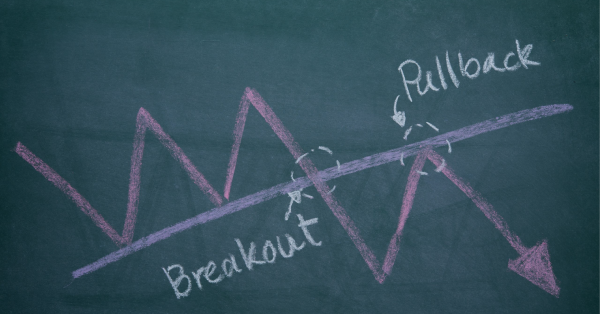
Pullbacks. A pullback represents the mildest form of a selloff in the markets. You might hear an investor or trader refer to a dip of 5% to 10% after a peak as a “pullback.”1
Corrections. The next degree in severity is a “correction.” If a market or markets retreats 10% to 20% after a peak, you’re in correction territory. At this point, you’re likely on guard for the next tier.1
Bear Market. In a bear market, the decline is 20% or more since the last peak.1
All this is normal. Pullbacks, corrections, and bear markets are a part of the investing cycle. When stock prices are trending lower, some investors can second-guess their risk tolerance. But periods of market volatility can be the worst time to consider portfolio decisions.
Pullbacks and corrections are relatively common and represent something that any investor may see in their financial life, from time to time – often, several times over the course of a decade. Bear markets are much rarer. What we are experiencing now represents the start of the ninth bear market since 1926. This bear market follows the longest bull market on record.1
How is this bear market going to affect me? That’s a good question, but it’s something that you won’t fully understand in the here and now. The average bear market lasts 146 days for the Standard & Poor’s 500.2
A retirement strategy, formed with the help of a trusted financial professional, has market volatility factored in. As you continue your relationship with that professional, they will also be at your side to make any adjustments as needed and help you make any necessary decisions along the way. Their goal is to help you pursue your goals.
This material was prepared by MarketingPro, Inc., and does not necessarily represent the views of the presenting party, nor their affiliates. This information has been derived from sources believed to be accurate. Please note – investing involves risk, and past performance is no guarantee of future results. The publisher is not engaged in rendering legal, accounting or other professional services. If assistance is needed, the reader is advised to engage the services of a competent professional. This information should not be construed as investment, tax or legal advice and may not be relied on for the purpose of avoiding any Federal tax penalty. This is neither a solicitation nor recommendation to purchase or sell any investment or insurance product or service, and should not be relied upon as such. All indices are unmanaged and are not illustrative of any particular investment.
Citations.
1 – kiplinger.com/slideshow/investing/T018-S001-25-dividend-stocks-analysts-love-the-most-2019/index.html [3/10/2020]
2 – marketwatch.com/story/the-dow-just-tumbled-into-a-bear-market-ending-the-longest-bull-market-run-in-historyheres-how-those-downturns-last-on-average-2020-03-11 [3/14/2020]